
Services
Services
Our Services
Our specialized services combine advanced diagnostics, holistic treatment, and global expertise to address TMJ disorders, orthodontic needs, sleep-related breathing issues, and implant care — all focused on restoring comfort, function, and long-term wellness.
TMJ & Head–Neck Pain Therapy
Gentle, non-surgical solutions for jaw pain, headaches, neck stiffness & chewing discomfort. Using advanced diagnostics, we restore jaw balance, relax muscles, and improve posture.
Neuromuscular Orthodontics
Aligns teeth, jaw joints, and muscles together for optimal function & aesthetics. Advanced technology ensures a comfortable bite, improved breathing & balanced facial harmony.
Sleep Apnea & Dental Sleep Medicine
Holistic care for snoring, sleep apnea, and airway issues. We use custom oral appliances, airway development, and muscle therapy to restore healthy breathing and improve sleep quality.
TMJ & Head–Neck Pain Therapy
Gentle, non-surgical solutions for jaw pain, headaches, neck stiffness & chewing discomfort. Using advanced diagnostics, we restore jaw balance, relax muscles, and improve posture.
Neuromuscular Orthodontics
Aligns teeth, jaw joints, and muscles together for optimal function & aesthetics. Advanced technology ensures a comfortable bite, balanced facial harmony.
Sleep Apnea & Dental Sleep
Holistic care for snoring, sleep apnea, and airway issues. We use custom oral appliances, airway development, and muscle therapy to restore healthy breathing and improve sleep quality.
Functional Implantology
In our Practice Dental implants placed with neuromuscular precision to restore bite balance, protect jaw joints, and provide natural, long-lasting function and aesthetics.
TMJ Treatment
The temporomandibular joints (TMJ) are small yet complex joints connecting your jaw to your skull, allowing smooth movement for talking, chewing, and facial expression. When these joints, the surrounding muscles, or the bite are not in harmony, it can lead to Temporomandibular Disorders (TMD)—often causing jaw pain, headaches, neck stiffness, ear symptoms, dizziness, and difficulty chewing.
At our clinic, we understand that many patients spend months—or even years—searching for answers. TMJ disorders are often overlooked because muscle-related pain does not appear on standard imaging like CT scans or MRIs. That’s why our diagnosis goes beyond the basics, combining expert clinical examination with advanced technology to identify the root cause of your discomfort.
Comprehensive Diagnosis
Your first visit lasts 1–2 hours and includes:
- Detailed review of your medical and dental history
- Examination of jaw movement, joint sounds, and muscle tenderness
- Assessment of posture, neck and shoulder alignment, and gait
- Measurement of jaw and cervical range of motion
- Advanced imaging, such as Cone Beam CT (CBCT), for TMJ joints, airway analysis, and cervical spine evaluation
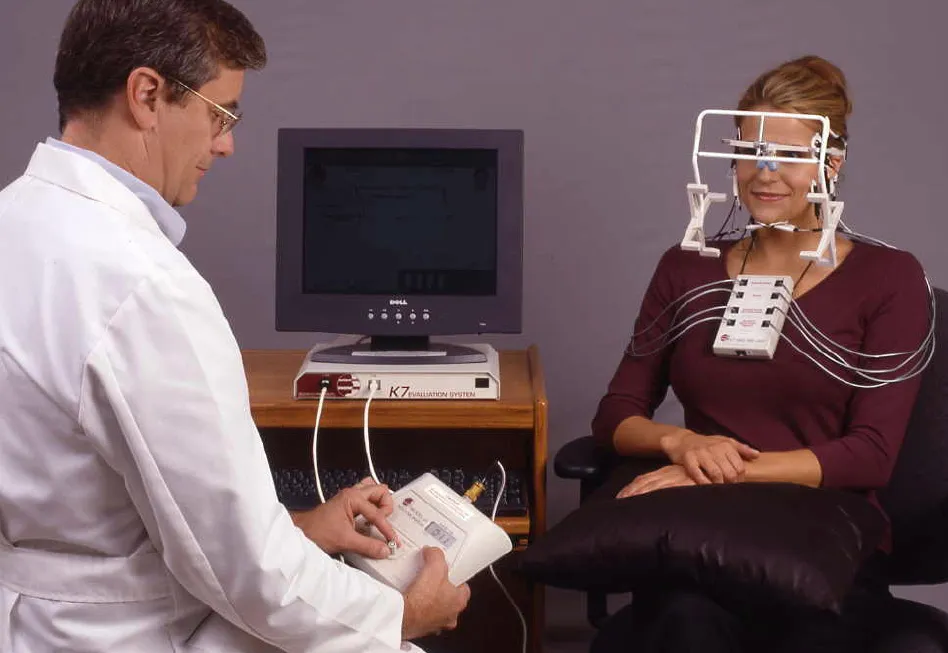
- Neuromuscular jaw scanning (K7) to determine your most comfortable jaw position
- Sleep studies when airway involvement is suspected
- Biochemical tests (thyroid, vitamin D, hormones, inflammatory markers) if relevant
Goal: To pinpoint the exact jaw position where your joints, muscles, and posture are in harmony—reducing strain and restoring comfort.
Tailored Treatment Approach
We treat TMJ disorders in phases, focusing first on pain relief and then on long-term stability.
Phase 1:
Relief and Stabilization
- A reversible “trial” phase, often using a custom-made neuromuscular orthotic
- Repositions the jaw into its ideal alignment
- Patients may notice improvements in headaches, jaw comfort, neck mobility, and balance within weeks
Phase 2:
Long-Term Correction
- Maintain it with a precision orthotic
- Move natural teeth into proper alignment with Neuromuscular Orthodontics
- Rebuild bite and smile with restorative or prosthetic treatments
- Support jaw health with physical therapy, myofunctional training, or posture correction
We collaborate with ENT specialists, physiotherapists, orthopedists, neurologists, podiatrists, or cardiologists—addressing the broader impact TMJ dysfunction can have on the body.
Post-Treatment Maintenance
Maintaining your treatment results is just as important as the therapy itself.
Posture & Breathing
Maintaining correct head-neck posture, practicing nasal breathing, and keeping proper tongue posture are essential for supporting long-term neuromuscular balance.
Night Appliances
Some patients may need to wear a customized night appliance to reduce clenching, grinding, or muscle strain, keeping the jaw joint relaxed and stress-free.
Physiotherapy:
Gentle physiotherapy exercises may be recommended to strengthen jaw and neck muscles, improve posture, and maintain the stability achieved during treatment.
Oral Hygiene
Daily oral care and regular dental check-ups are necessary to protect teeth, gums, and implants, ensuring long lasting health and treatment success.
Prevention
Preventing TMJ disorders is far easier than treating them later. Follow these simple steps to protect your jaw, airway, and posture:
Early Dental Screening for Children
Schedule an airway-focused dental check by age 2 to detect early signs of bite or airway issues.
Encourage Chewing of Natural, Firm Foods
Stimulates healthy jaw and muscle development.
Chew on Both Sides
Avoid favoring one side; uneven bite forces strain the jaw joints.
Watch for Harmful Oral Habits
Address mouth breathing, thumb sucking, or prolonged pacifier use early.
Maintain Good Posture
Correct sitting, standing, and sleeping positions support jaw health.
Avoid Unnecessary Tooth Extractions
Tooth removal can affect jaw alignment; replace promptly if necessary.
Practice Relaxation Techniques
Breathing exercises, meditation, or gentle jaw stretches help release tension.
Limit Screen Time in Children
Protects posture and musculoskeletal development
Pay Attention to Joint Sounds
Clicking or popping may indicate underlying TMJ problems.
Recognize Early Pain Signals
Facial discomfort or jaw fatigue is easier to treat early.
Take Snoring Seriously
Snoring may indicate airway restriction or sleep apnea linked to TMJ dysfunction.
Exercise and Stretch Regularly
Yoga, postural stretches, and gentle strengthening exercises reduce tension.
Get Adequate Sun Exposure
30 minutes in sunlight helps maintain healthy Vitamin D levels.